• Saint-Pierre, often called the "Pearl of the French West Indies" or the "Pompeii of the Caribbean."
    Saint-Pierre, often called the “Pearl of the French West Indies” or the “Pompeii of the Caribbean.”

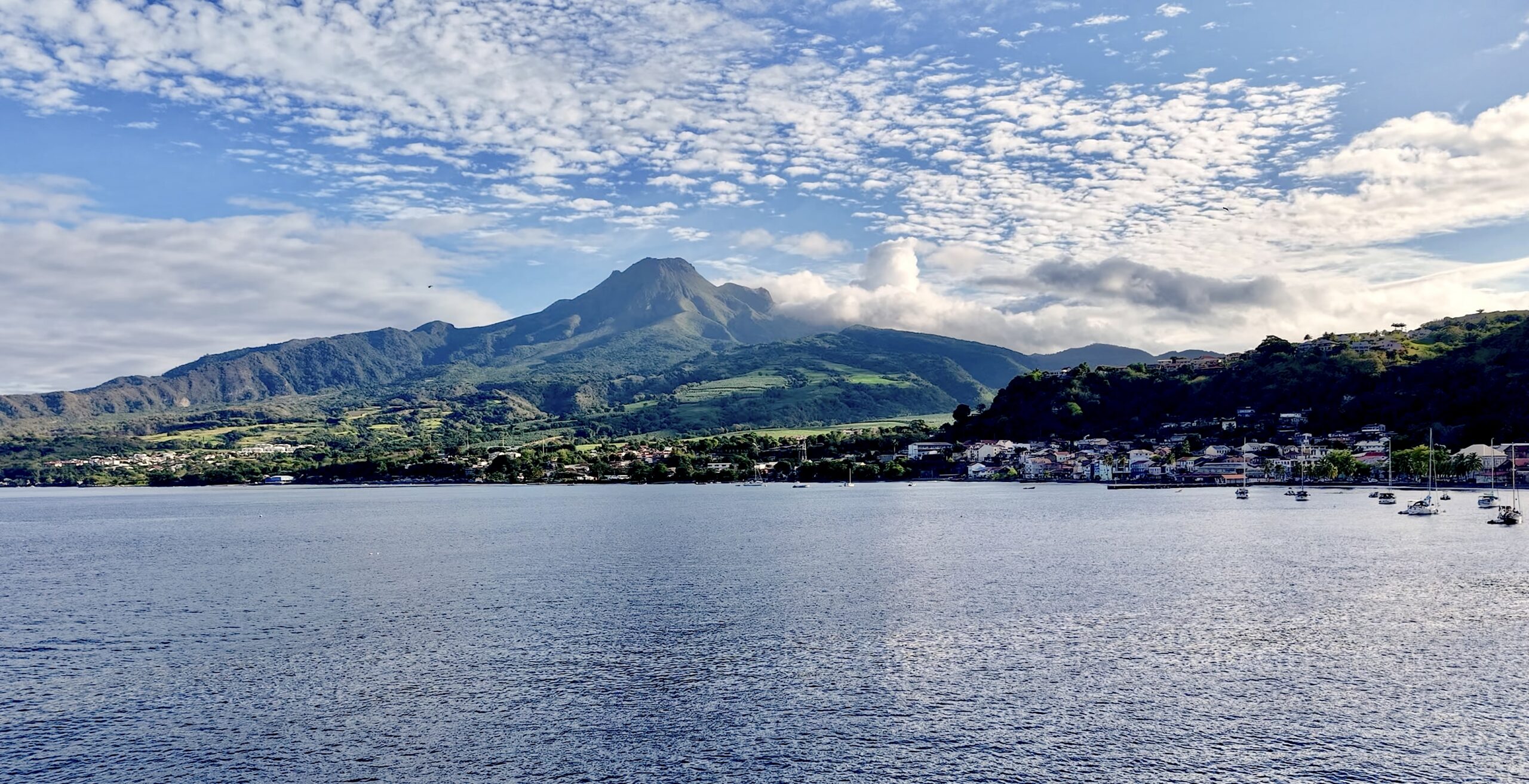
    St. Pierre leaves a lasting impression on visitors. As we approached the anchorage just outside the town center, we were awed by the magnificent presence of Mount Pelée volcano.

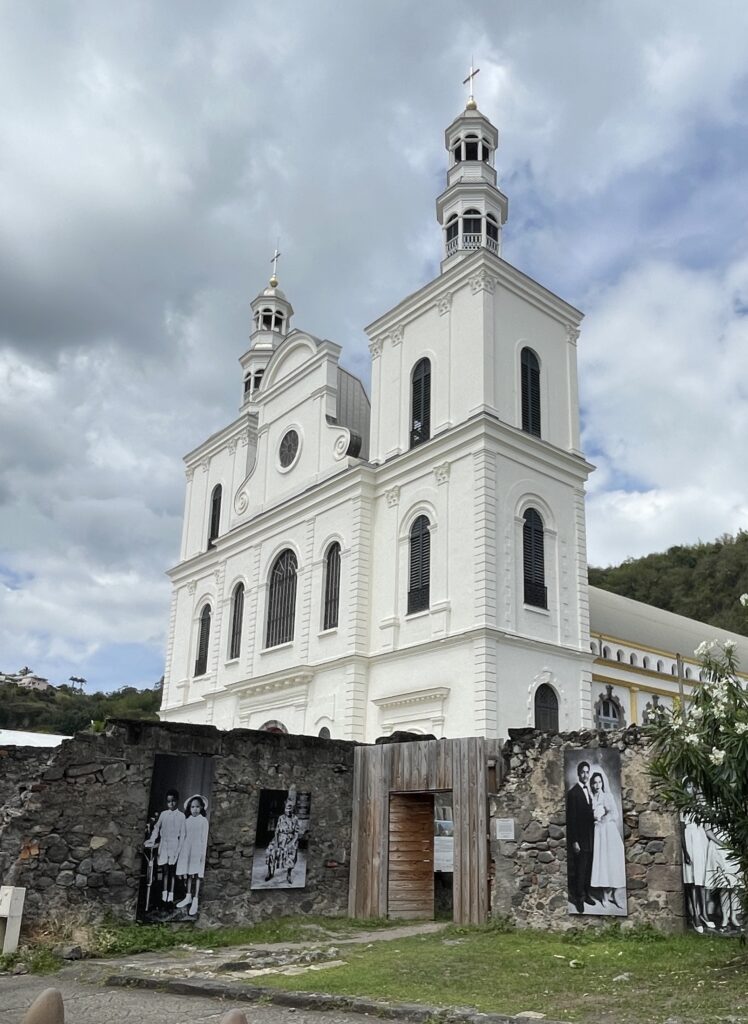
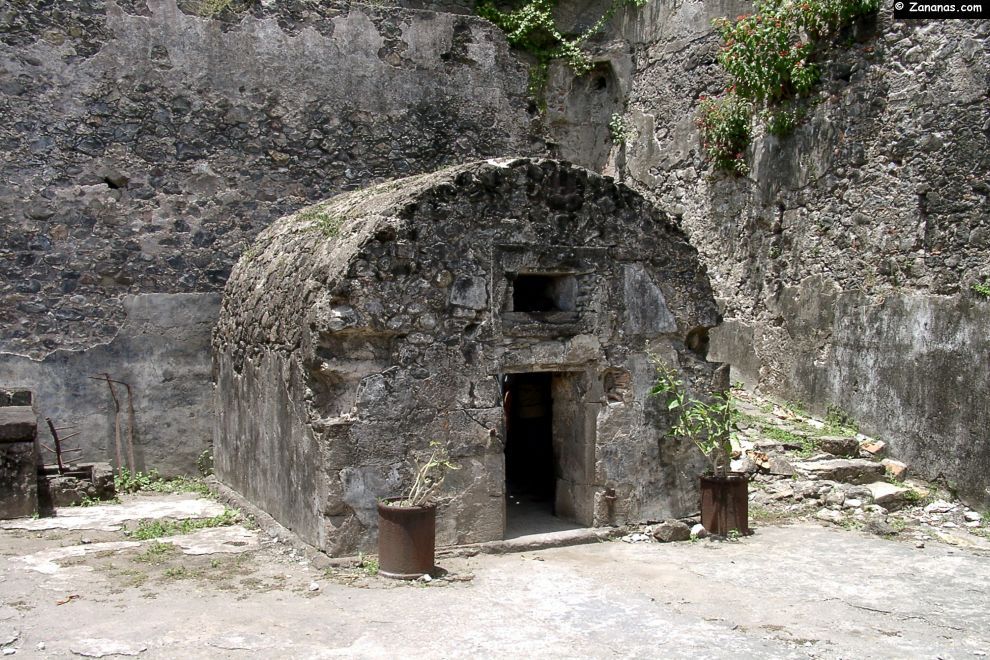
    Saint-Pierre is a historic coastal town on the northwest coast of Martinique. Founded in 1635 by Pierre Belain d’Esnambuc, it was the island’s original capital and a bustling cultural and economic hub. Tragically, on May 8, 1902, the nearby Mount Pelée volcano erupted violently. A massive pyroclastic flow (a fast-moving cloud of hot gas, ash, and rock) destroyed the town in minutes, killing nearly all of its ~28,000–30,000 inhabitants—the deadliest volcanic disaster of the 20th century. Only a handful survived, one of whom was the famous prisoner named Ludger Sylbaris (Cyparis), locked in a sturdy dungeon.

    Once I learned the history of Saint-Pierre, I could not shake off the sense of melancholy as we wandered around this picturesque town. The entire town is a living museum, with signs telling the horrifying story of the volcanic eruption.
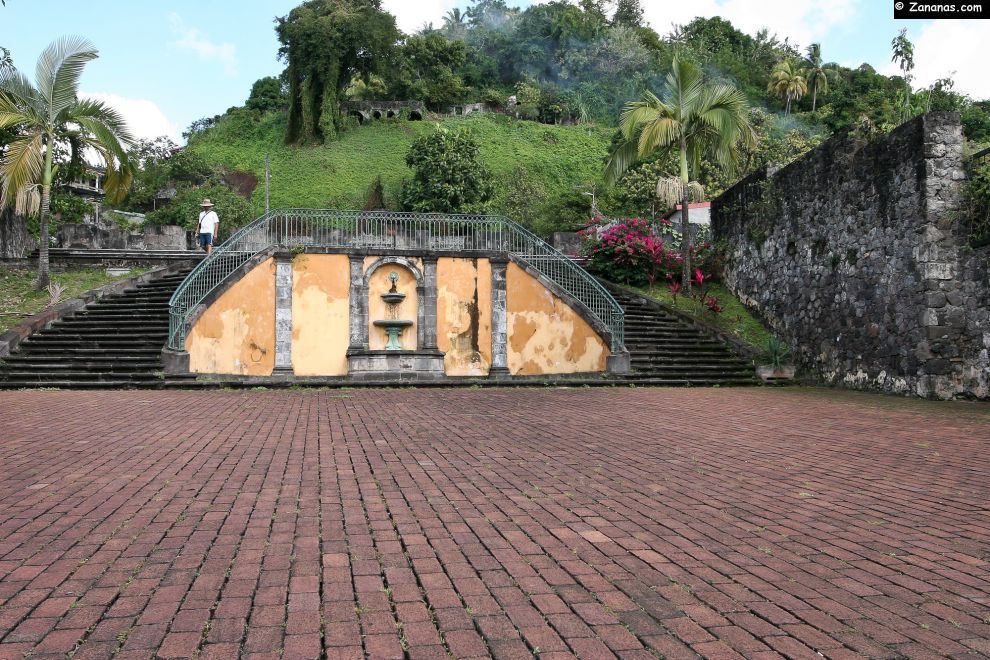
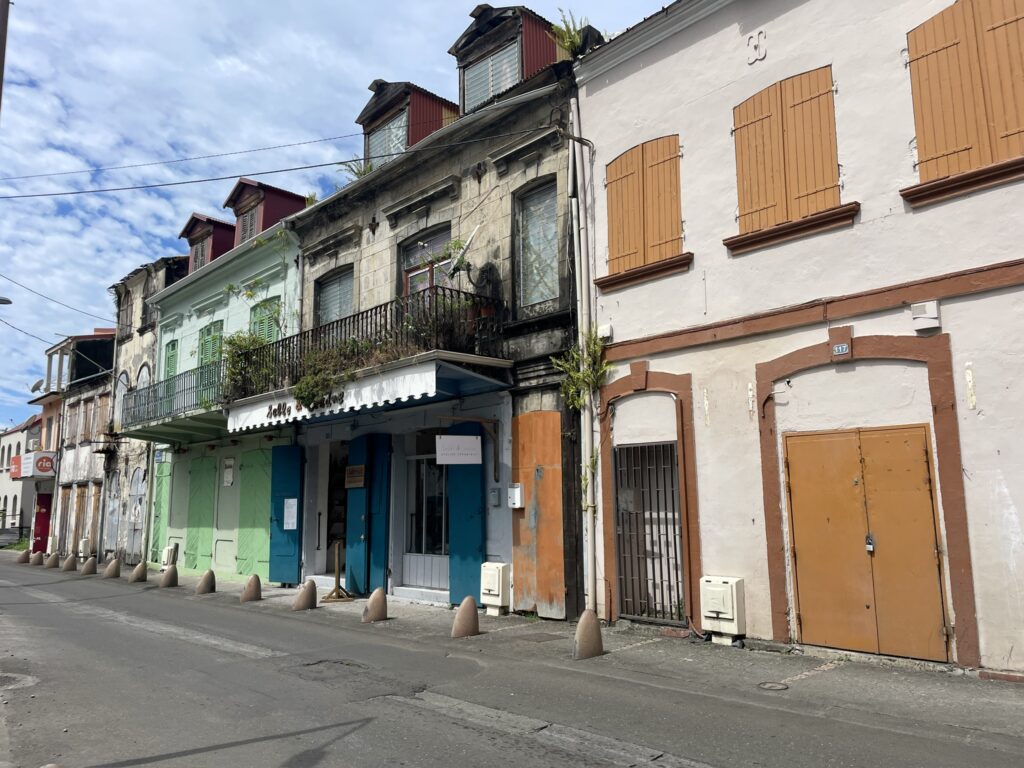
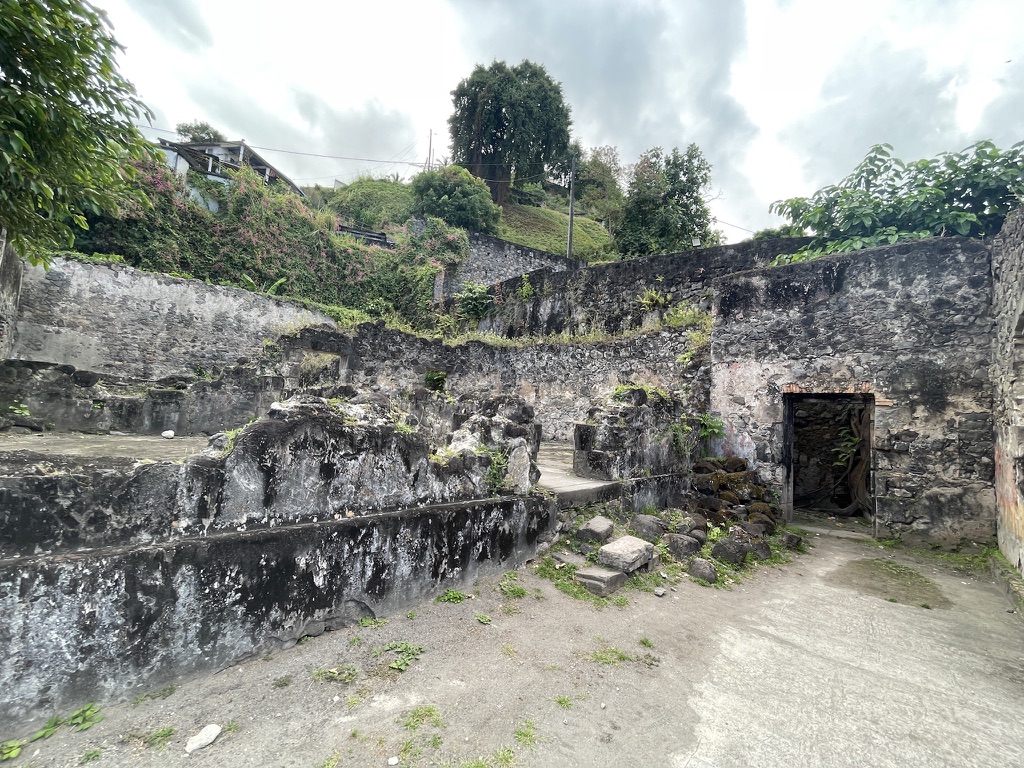
    The Ruines du Théâtre du Petit Paris (also known as the Théâtre de Saint-Pierre) is one of the most striking and evocative historical sites in Saint-Pierre, Martinique. This once-grand theater was a symbol of the city’s former glory as the cultural and economic heart of the French Antilles, often nicknamed “le Petit Paris des Antilles.” Even as a ruin, the scale and grandeur still impress.
    Ludger Sylbaris’s dungeon is a reminder of the tragedy. Sylbaris is the most famous survivor of the volcanic eruption. The heavy stone walls of his cell and its orientation—with its back facing Mount Pelée—likely saved his life. He was rescued four days later with severe burns.

    As we admired the harbor view from the Mémorial de la catastrophe de 1902 terrace, we learned that all ships anchored in the bay except one survived the eruption. I found this article, published in 1902, describing the miraculous escape of the British steamship Roddam. It paints a vivid picture of the disaster.

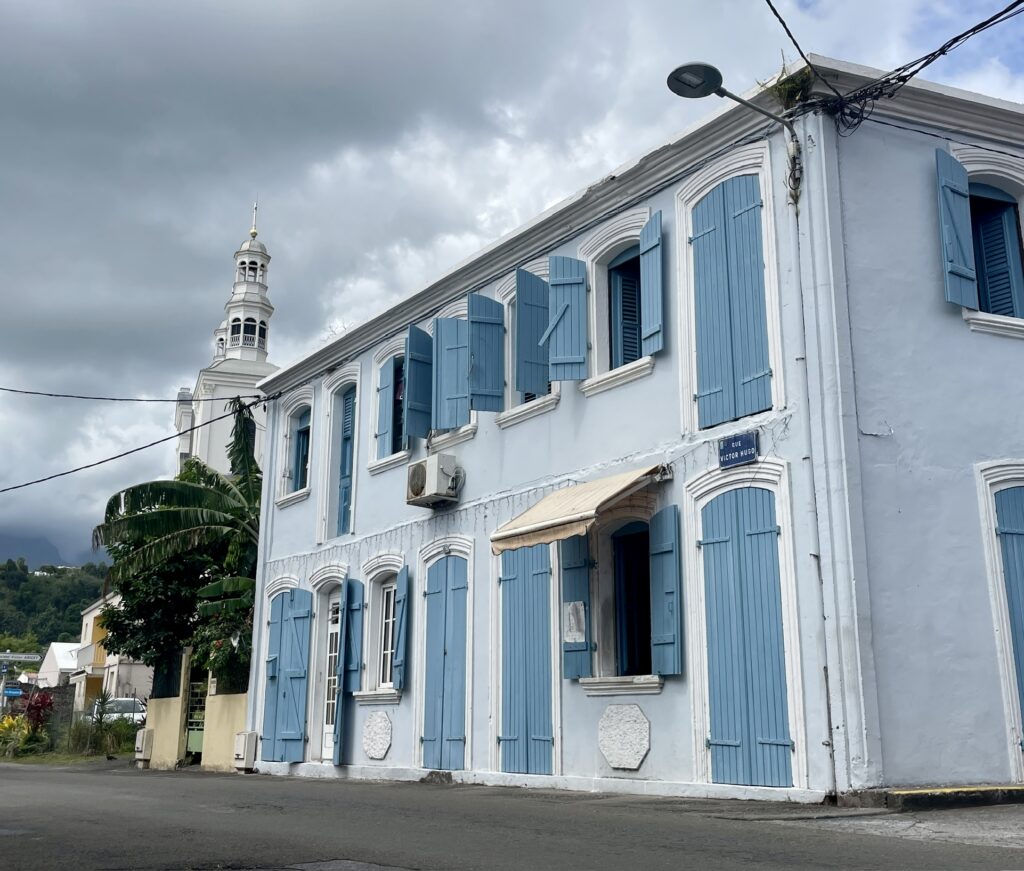
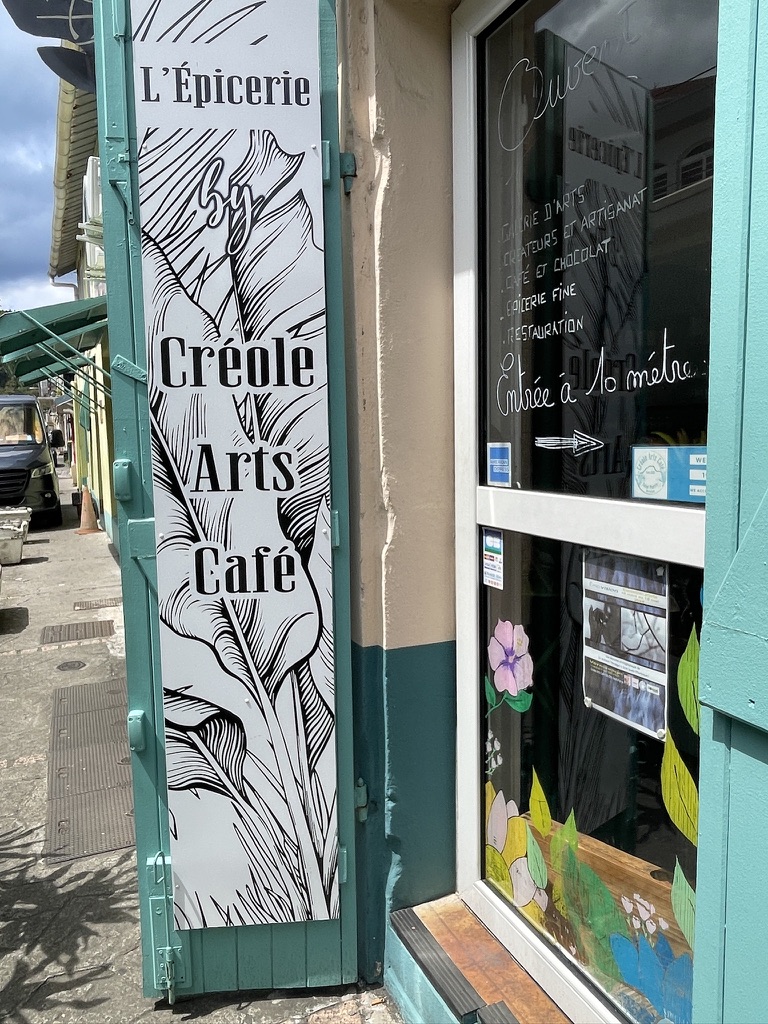
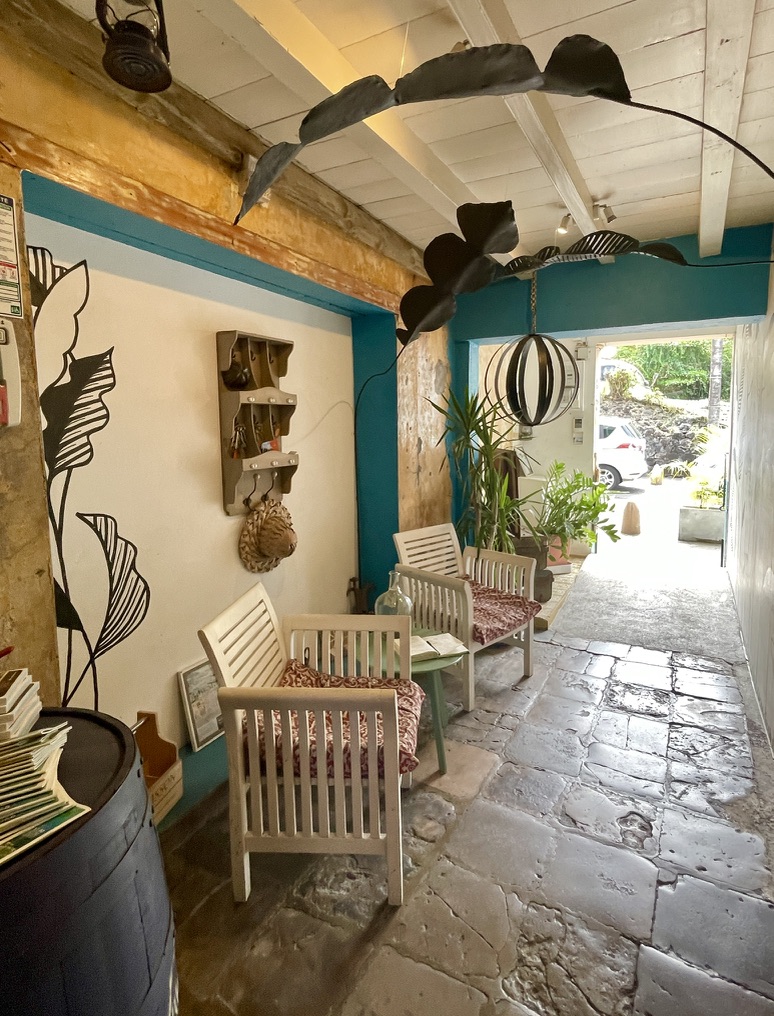
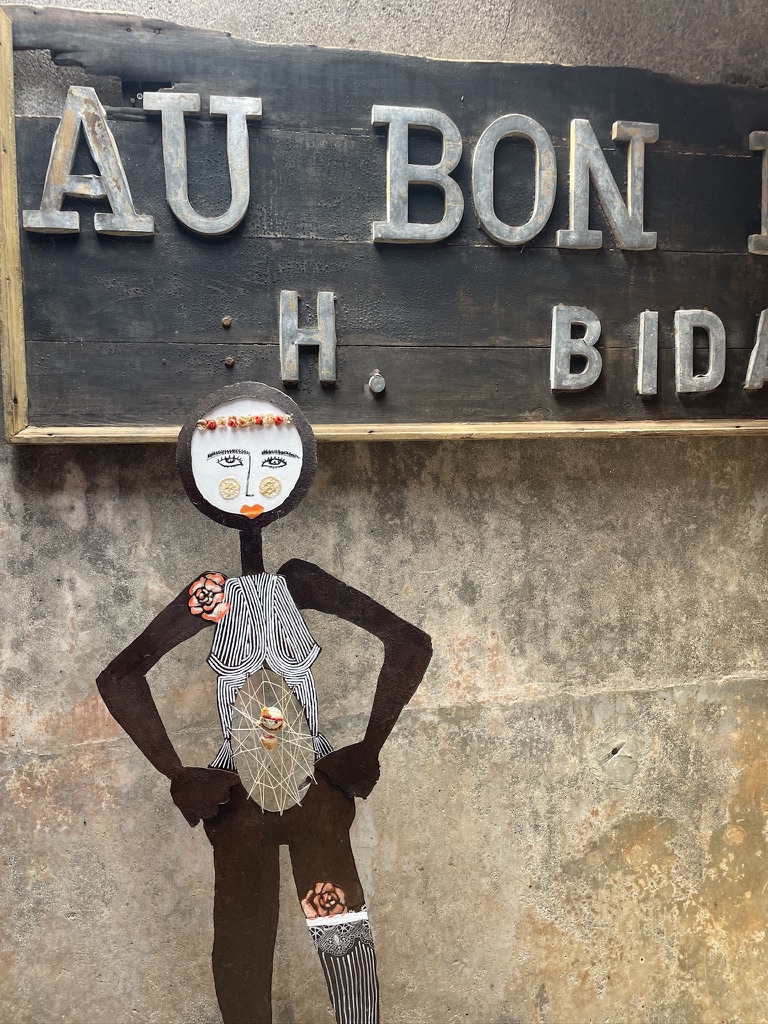
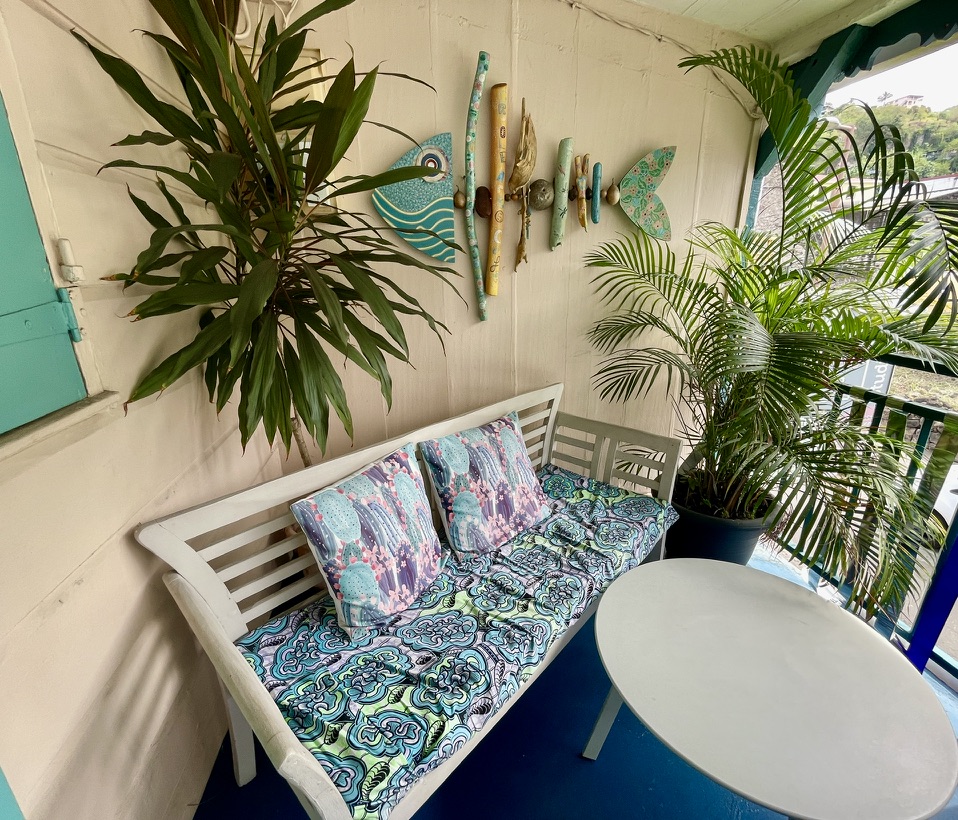
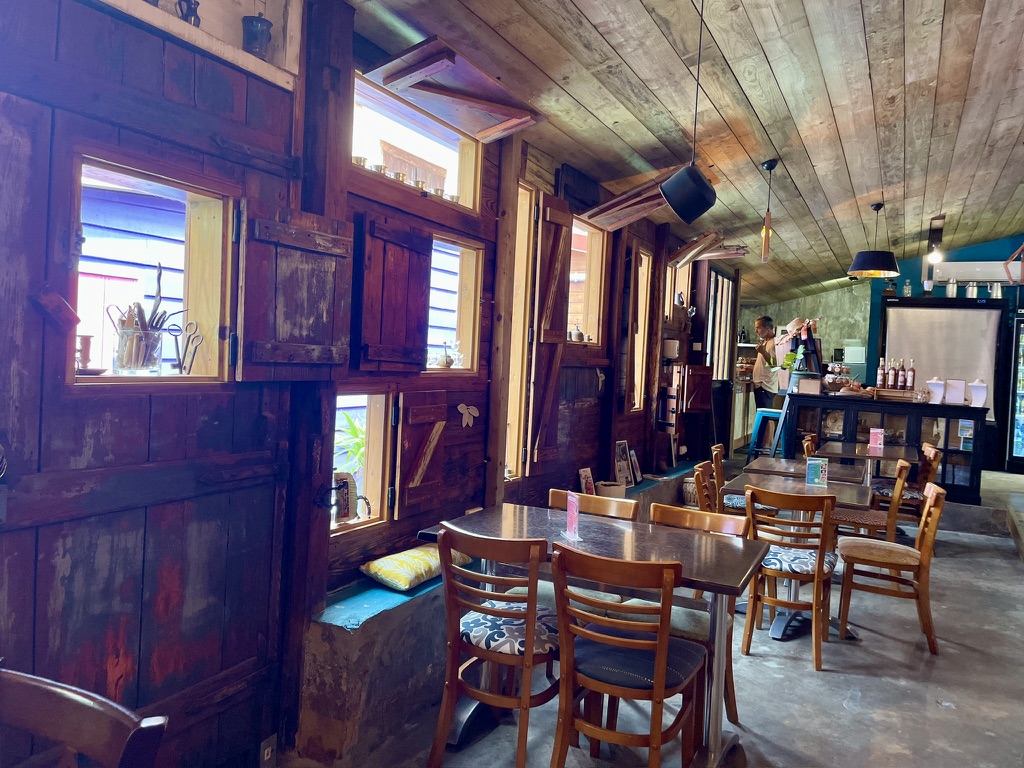
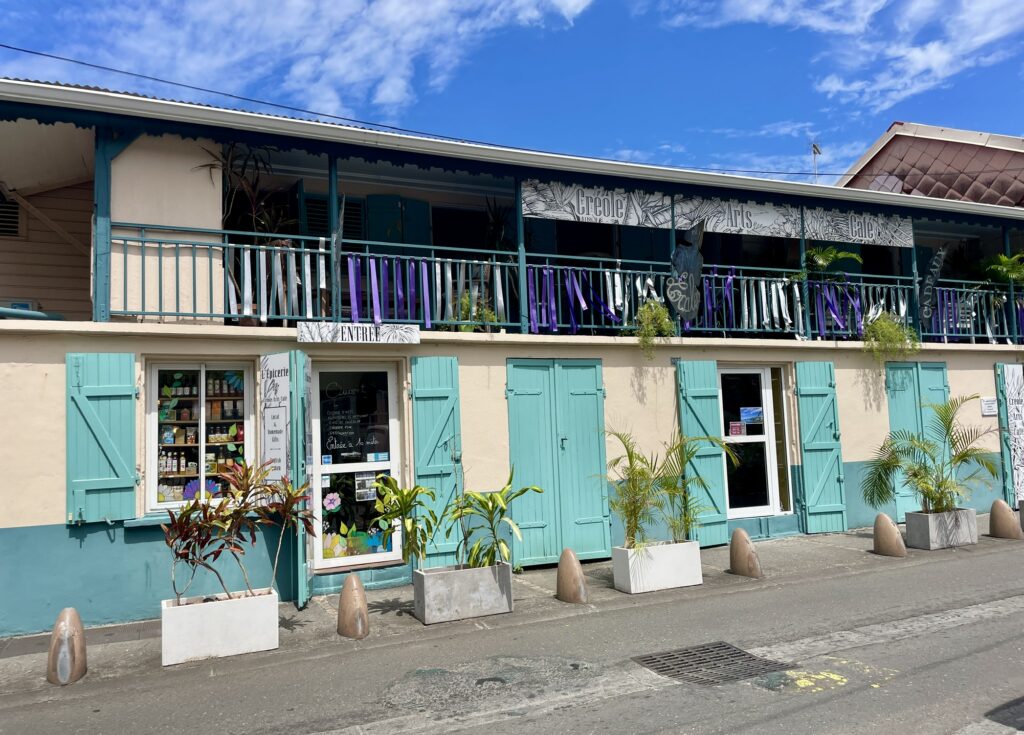
    These dreadful stories weighed heavily on us, and we needed a sweet treat to lift our spirits. Just then, we stumbled upon the charming Concept store Créole Arts Café. This café is housed in the first building rebuilt in 1908 on the ruins of the city, only six years after the eruption. The current owner has done a lovely job of preserving the old interior, with exposed stone walls and traditional windows. As we admired the space, we couldn’t help but feel the weight of history—the walls and stones seemed to whisper tales of incredible resilience. It truly takes a special kind of courage, or perhaps a hint of madness, to rebuild amid ashes and ruins, especially with the majestic volcano serving as a daily reminder of its power.
    On the third morning after our arrival in Saint Pierre, Mount Pelée volcano finally lifted its veil of clouds and graced us with a magnificent view. Robert flew the drone to capture the following short clip. Hope you enjoy it.

    Next stop: the Nature Island of Dominica.
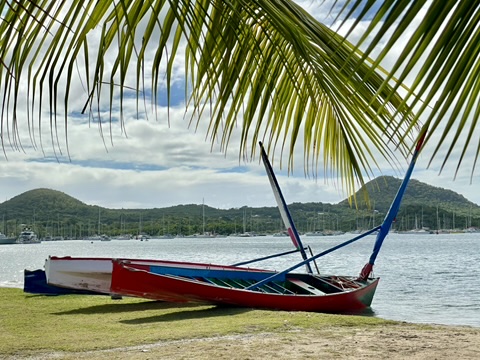
  • When we arrived at Le Marin, Martinique, our first port of call in the Caribbean, our first impression was underwhelming; it did not match the idyllic Caribbean scenery we had unconsciously anticipated. Some women may not be stunning at first glance, but the more you get to know them, the more charming and captivating they become. Martinique is one of those.

    As newcomers to the Caribbean (beyond the BVI) and the cruising life in general, we didn’t fully appreciate everything that Le Marin had to offer at the time. After spending some time in much of the Caribbean, we often find ourselves missing Le Marin for its well-stocked chandleries, dinghy-accessible supermarkets, and reasonably priced restaurants and boutiques. Le Marin is a technical stop, as some cruisers call it, that offered necessities, conveniences, and a safe harbor for repairs and upgrades.

    For Amel boat owners, Le Marin is particularly special, as it serves as Amel’s Caribbean base. La Marina du Marin even features an “Amel” dock, where our boat, Juno, was docked alongside at least ten other Amel boats, making us feel quite special. We spent three weeks in Le Marin provisioning, making multiple upgrades, and carrying out minor repairs on Juno. Robert, the captain, regretted not taking more advantage of the well stocked chandlers, some of which catered much more specifically to the intricacies of our Amel boat, in terms of spare parts!

    While in Le Marin, we rented a car for a few days and toured around Martinique. With the mountainous terrain, the island seemed much larger than the map indicated. We visited some sites noted as must-sees, such as Balata Garden, Habitation Clement, and Phare de La Caravelle.

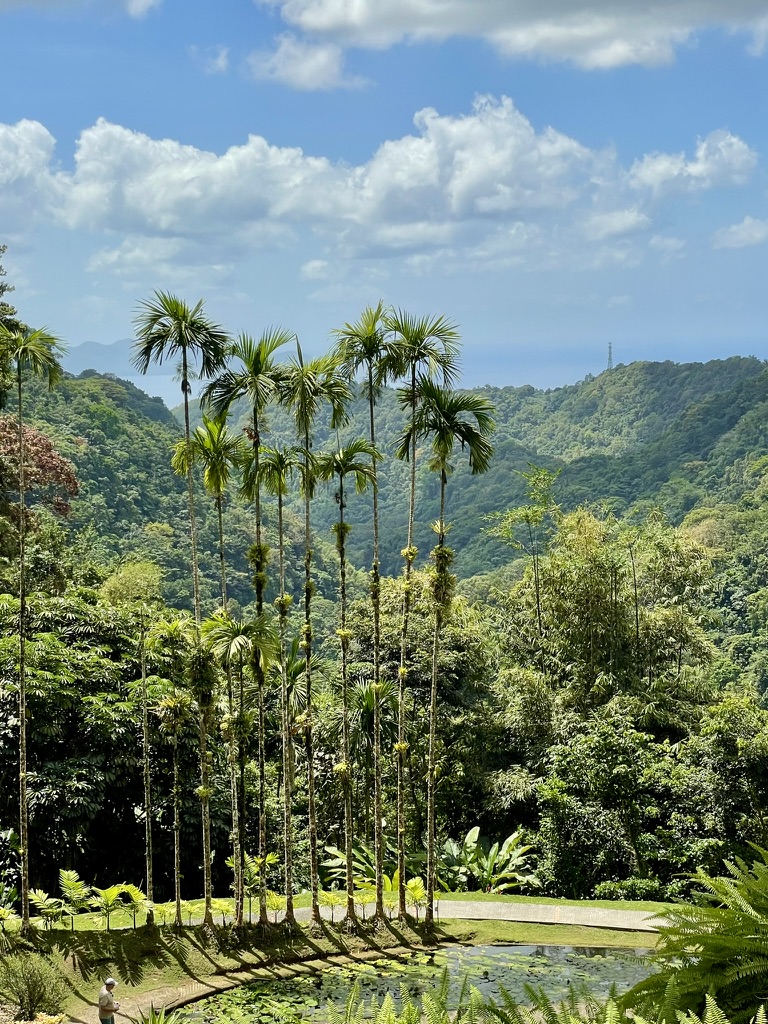
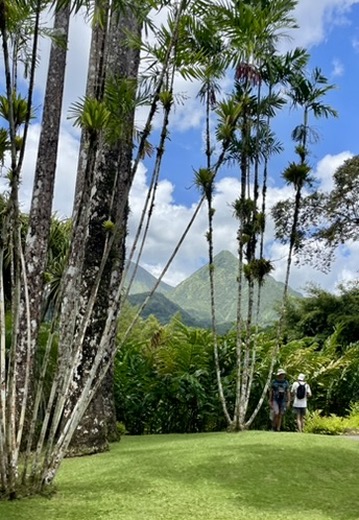
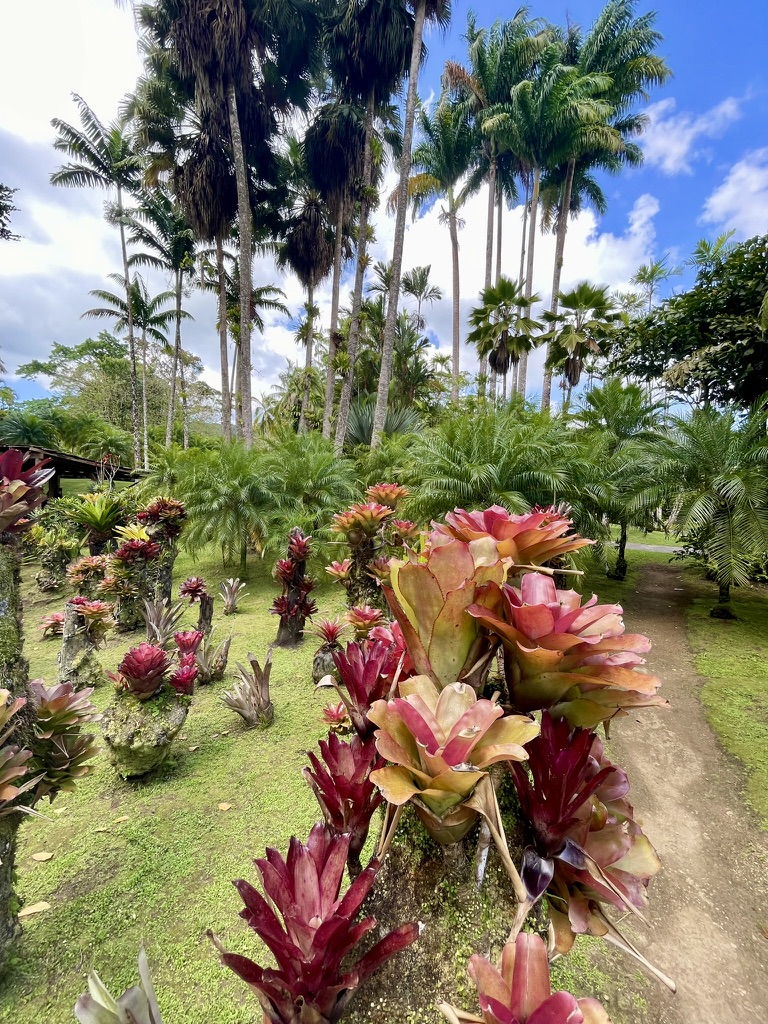
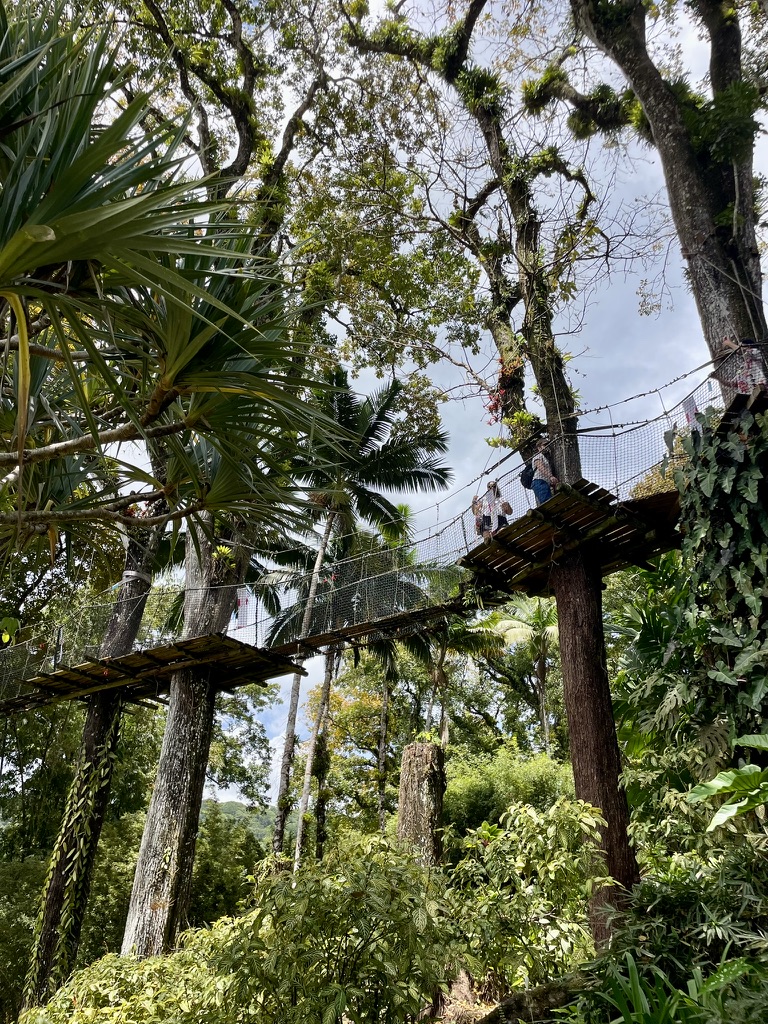
    Balata Garden – lovely to walk around
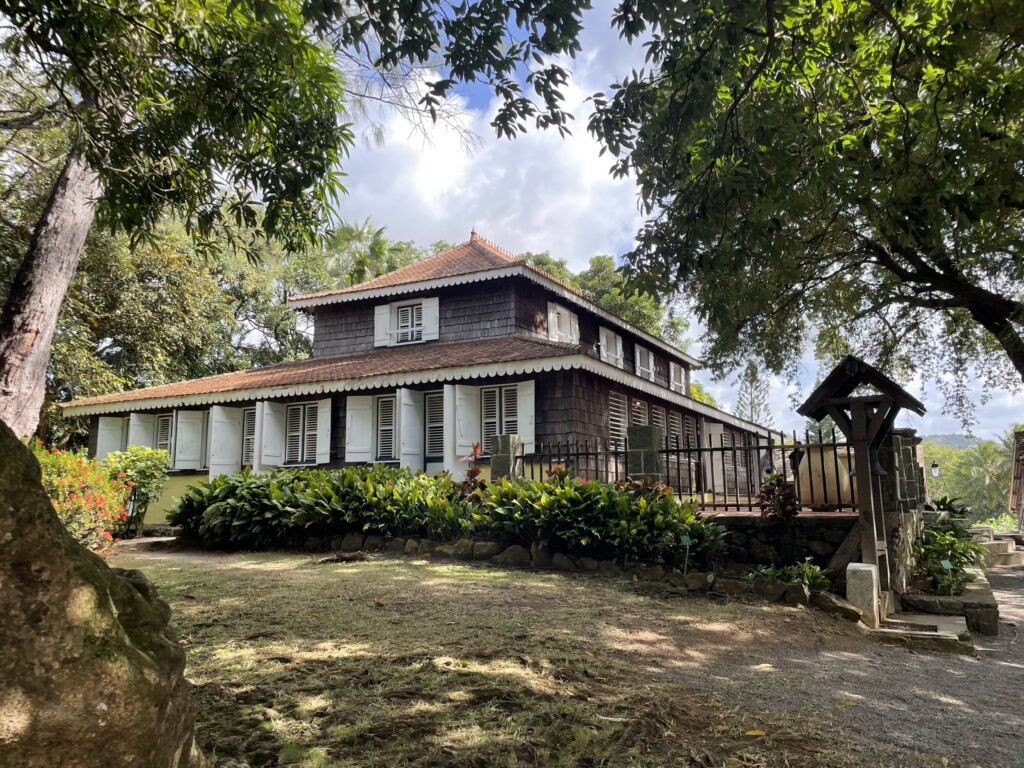
    Located in the municipality of Le François, the Clément habitation is a former sugar plantation. Bought in 1887 by Homère Clément, the estate was heavily involved in sugarcane production and rum distillation. The famous Clément rum, which was first produced in 1917, soon earned an international reputation. https://www.rhum-clement.com/
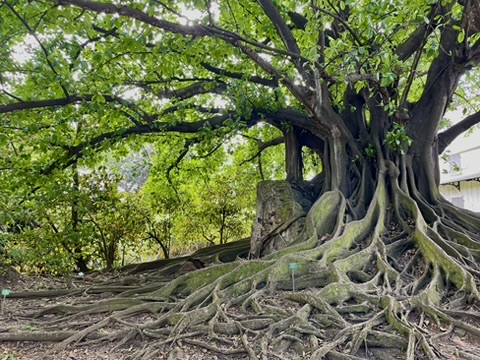
    An old ficus tree on the beautiful grounds of Clément habitation
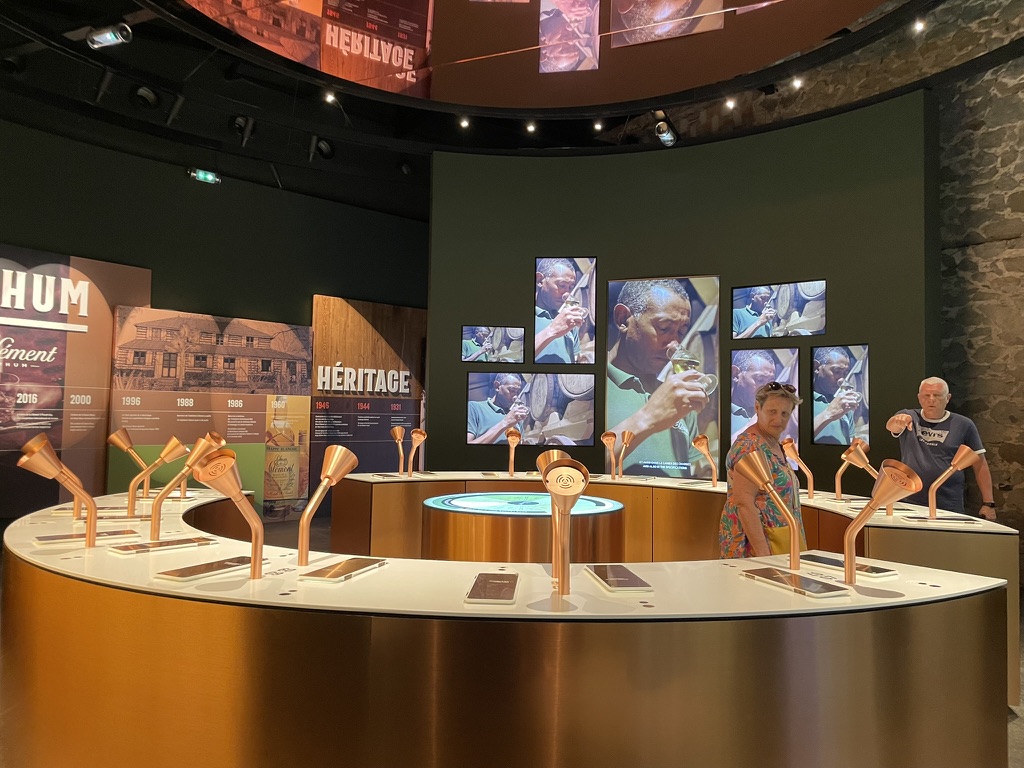
    Although no longer an active distillery, one can learn about the history of rum production in the modern museum at Clément habitation and complete a tour with rum tasting. I must say that the French are experts in marketing and elevating this otherwise humble liquor.
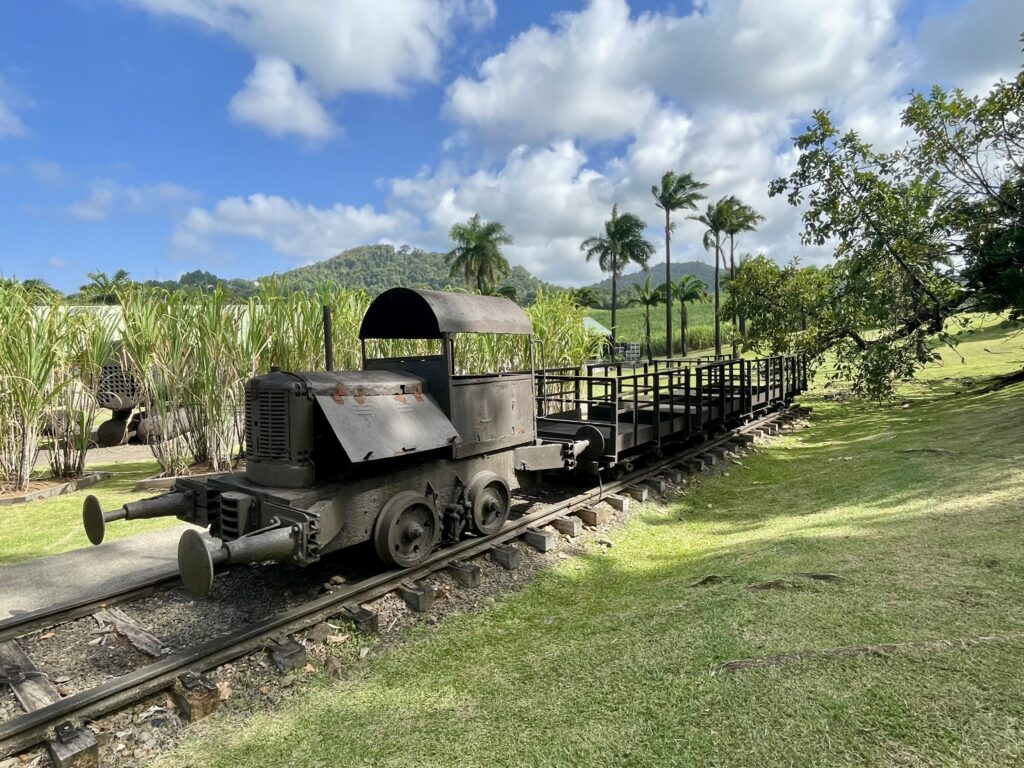
    Old production facilities and train tracks for moving sugarcane from the plantation to the distillery.
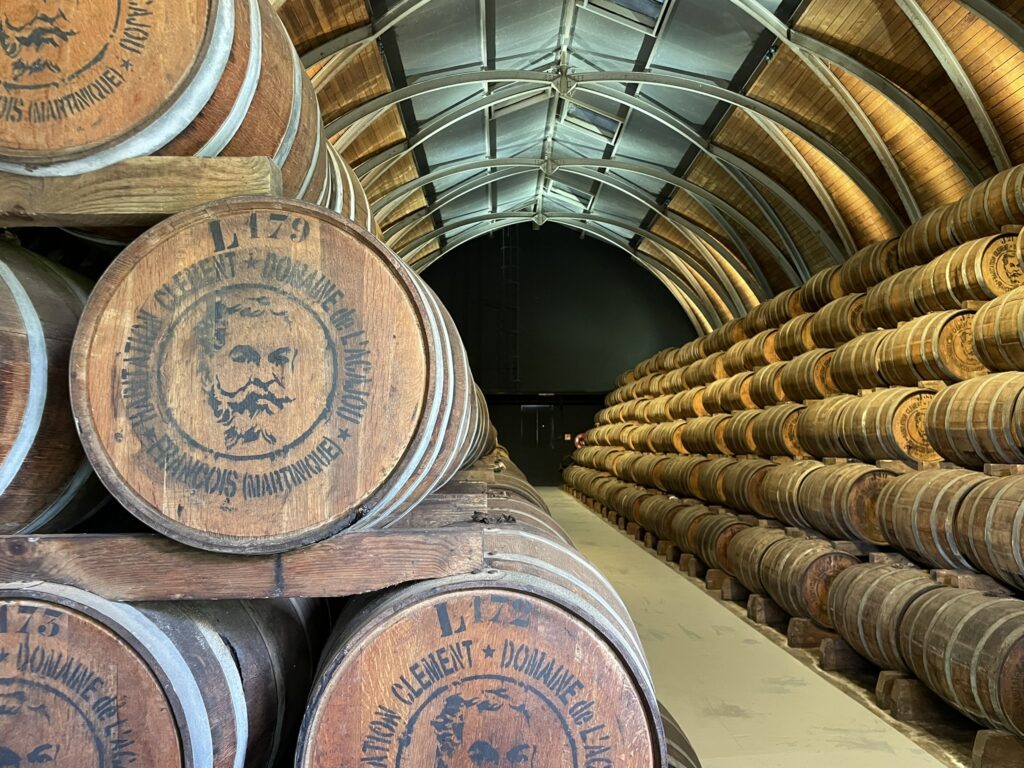
    Rum aging in oak barrels

    We also visited the less touristy part of Martinique, the east coast of the island, and hiked to Phare de La Caravelle.

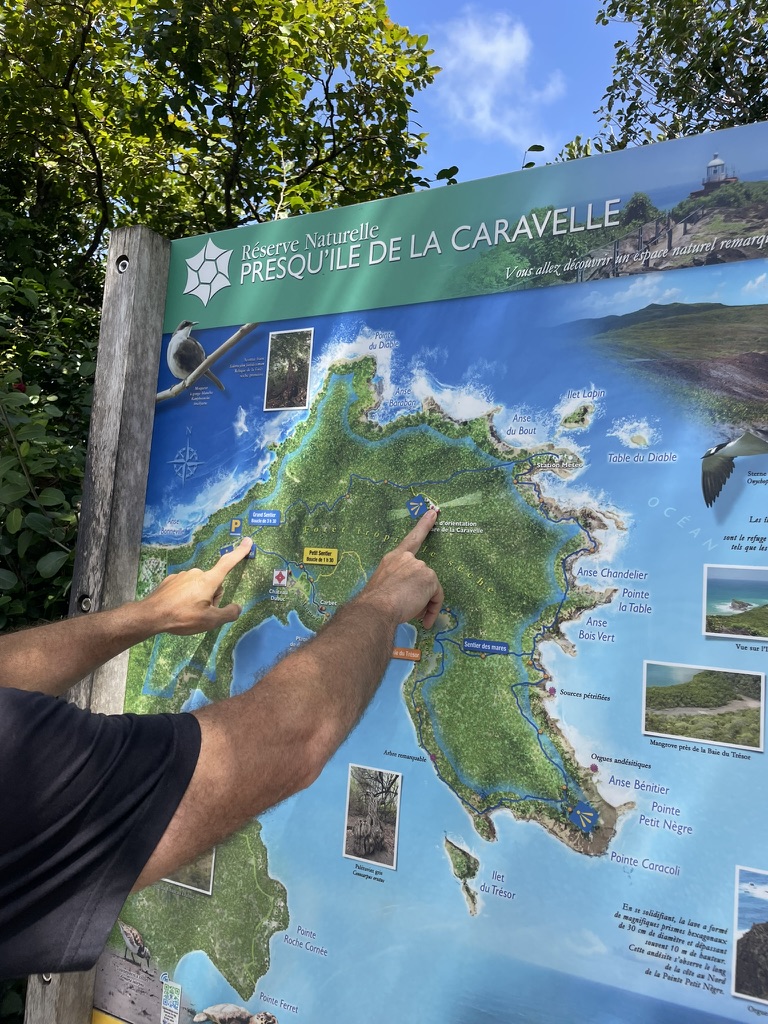
    The Caravelle Peninsula nature reserve is part of the Martinique Regional Natural Park. Protected since 1976, the Caravelle Peninsula covers an area of ​​378 hectares. I wish we had more time to explore this area.
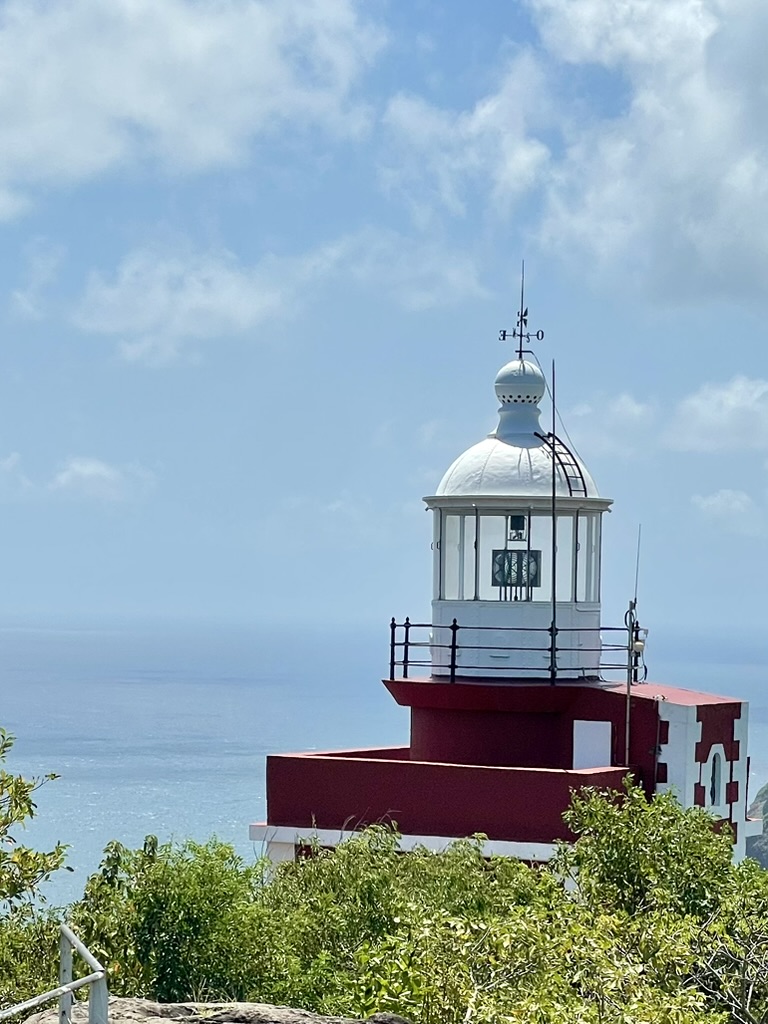
    The Caravelle Lighthouse is located at Pointe de la Caravelle, on the east coast of Martinique.
    Caravelle lighthouse is the oldest of the four lighthouses still in operation in Martinique.

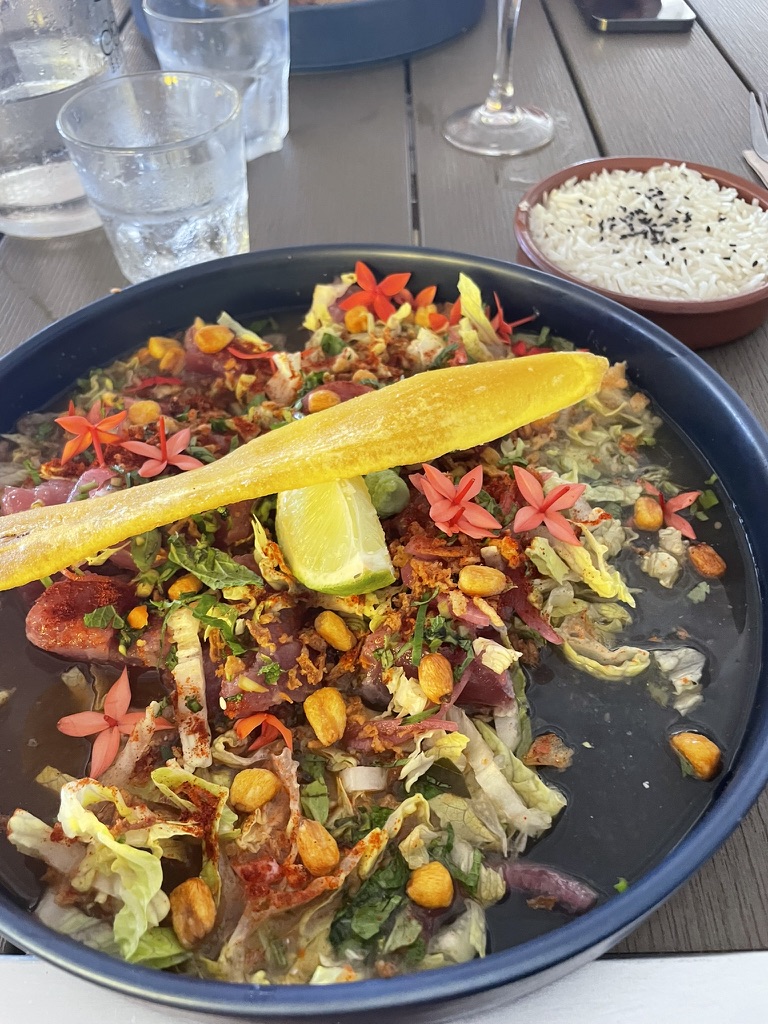
    After our hike to the lighthouse, we had an excellent lunch at Cocoa Beach Café. This was the best meal we had during our 2025 visit to Martinique.

    My lunch – beautifully presented and wonderfully flavorful tuna salad at Cocoa Beach Café.

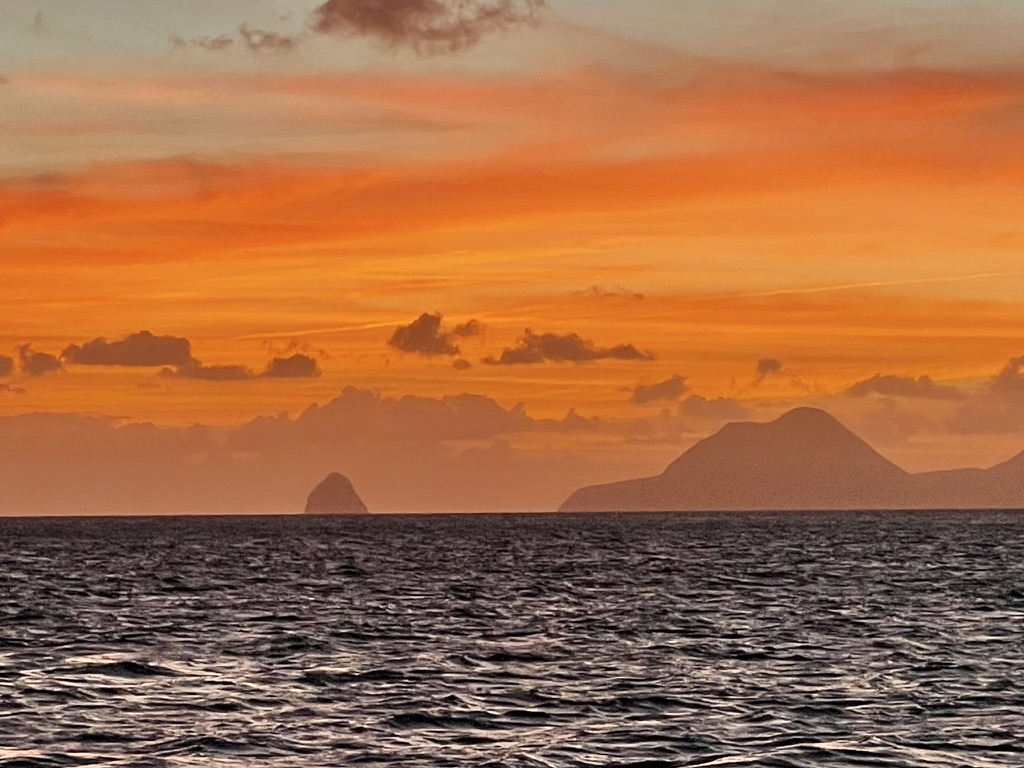
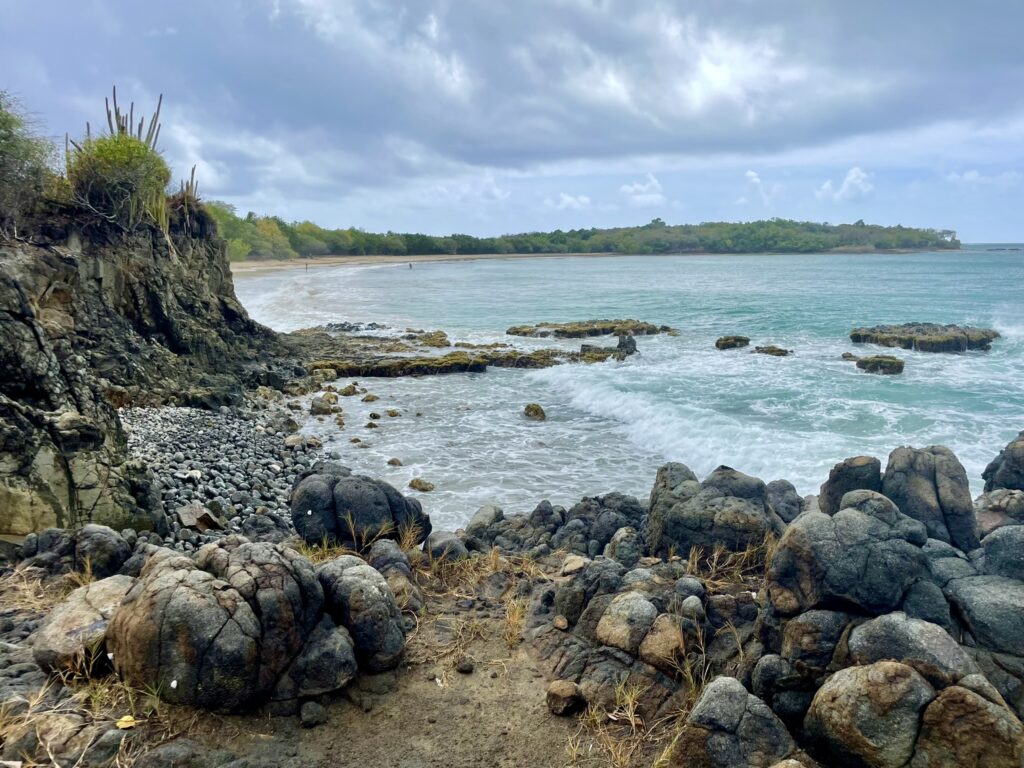
    Just around the corner from Le Marin’s main harbor lies Sainte-Anne, a small but charming town with multiple beaches, restaurants, and an excellent gelato shop called Ti Plezi, which is French-Creole, for the French “Petit Plaisir” or in English, “Small (simple) Pleasure”. The anchorage in front of Sainte-Anne is spacious and well-protected in trade wind conditions, with clear water. Anchoring here was our first experience of being on the hook on board Juno in Caribbean waters. Life was easy, and the sunsets were mesmerizing. To stretch our legs, we hiked along the coast, discovering several picturesque coves and a few beaches where locals, some of whom prefer to be fully naked, party and enjoy the sun.

    View from Juno at sunset in Sainte Anne anchorage.
    View along the coast where we hiked

    Le Marin in Martinique was the ideal first port for us in the Caribbean. It provided nearly everything we needed to embrace this new lifestyle.